The Four Epic Truths Every Homeowner Must Know Before Starting a Professional Remodel
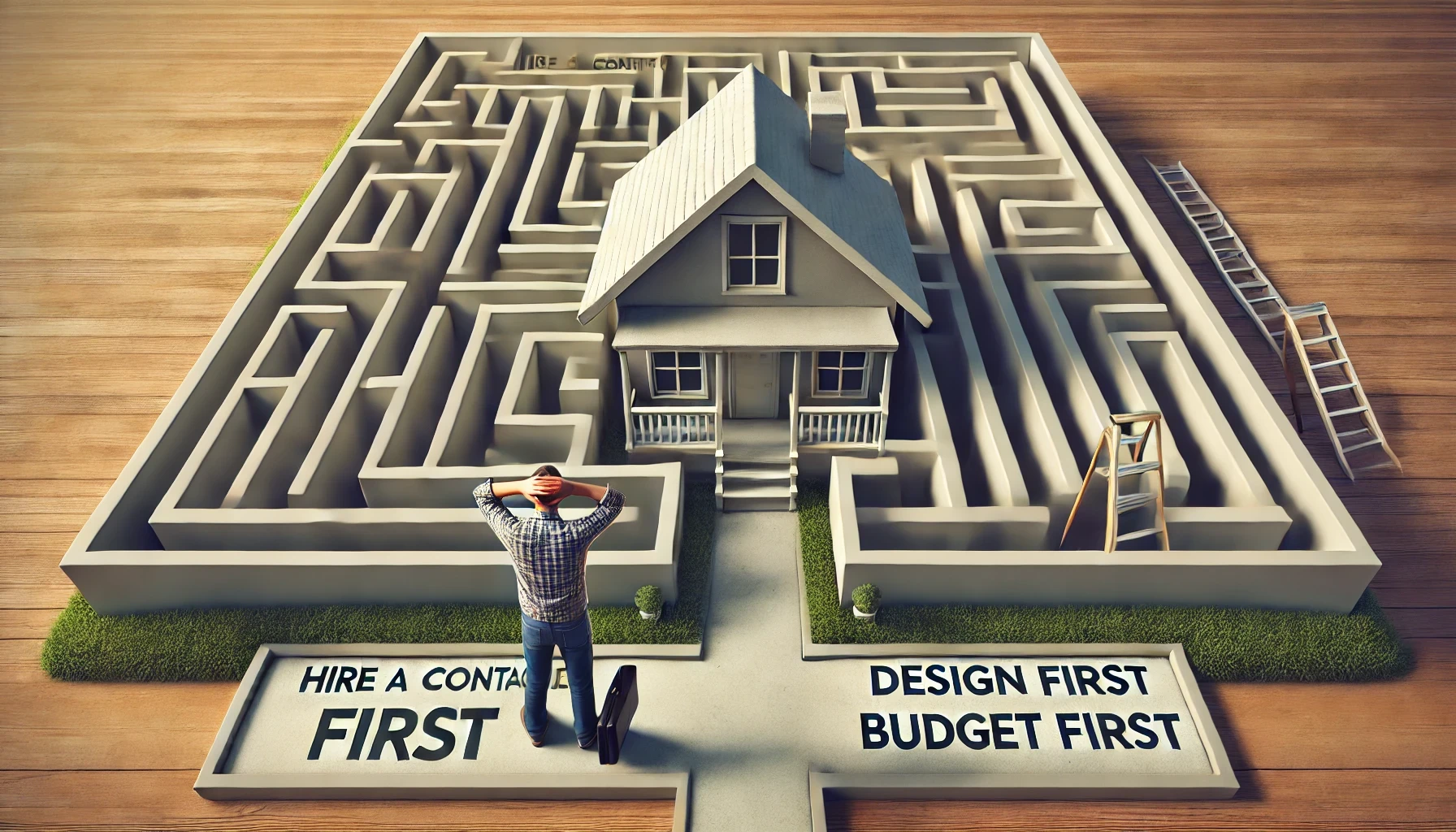
Remodels don’t go wrong on demo day.
They go wrong long before that — in the early stages, when homeowners are expected to lead a process they’ve never done before.
These truths explain why remodels feel confusing, expensive, risky, and overwhelming —
and how you can stay in control.
Remodels don’t go wrong on demo day. They go wrong long before that — in the early stages, when homeowners are expected to lead a process they’ve never done before.
These truths explain why remodels feel confusing, expensive, risky, and overwhelming —
and how you can stay in control.
Remodels don’t go wrong on demo day. They go wrong long before that — in the early stages, when homeowners are expected to lead a process they’ve never done before.
These truths explain why remodels feel confusing, expensive, risky, and overwhelming —
and how you can stay in control.
This Is The Moment Everything Clicks Into Place
Most homeowners do not fail because they’re careless.
They struggle because:
they don’t know the hidden structure of remodels,
they don’t know what decisions come first,
they assume everyone is on the same page,
and they don’t realize how early missteps snowball into major problems.
Once you see the Four Epic Truths, you will understand:
why remodels go wrong,
what professionals expect from you,
where the real risks hide,
and how to lead your project with clarity — even if you’ve never done this before.
These truths are the foundation of your confidence.
The Four Epic Truths (Featured Articles)
How To Start Your Remodel The Smart Way
Most homeowners feel tense, uncertain, or on edge when they start thinking about a remodel — not because they’re doing anything wrong, but because there’s too much they can’t see yet.
The unknown creates pressure.
Pressure creates stress.
And stress leads people to rush, guess, or hand decisions over too early.
You don’t need more inspiration.
You don’t need to make decisions yet.
You need clarity — introduced at the right time, in the right order.
Here’s what that looks like…

Start by Seeing Where You Stand
That uneasy feeling you’re carrying usually comes from hidden risks, blind spots, and decisions happening out of sequence — even if everything looks fine on the surface.
This assessment doesn’t ask you to commit to a remodel.
It doesn’t push you toward hiring anyone.
It simply helps you:
see where you’re exposed before it costs you
understand what you don’t need to worry about
identify assumptions that could create stress or conflict later
replace vague concern with grounded awareness
Most homeowners skip this step entirely — and that’s why stress compounds as the project moves forward.
This assessment turns the lights on.
Quick. Private. No commitment.
When You’re Ready, Get Clear on What’s Not Working With the House
Once the noise quiets down, a deeper question emerges:
What is actually wrong with the house, the experience, or the way we’re living in it?
The What’s Not Working? workshop helps you slow things down and take stock — not of solutions yet, but of reality.
This workshop helps you:
name the real problems your remodel actually needs to solve
document existing conditions and lived frustrations
understand how your home supports (or fights) your daily life
align with your partner before decisions create tension
build a clear, shared understanding professionals can work from
This isn’t where you deal with budgets or constraints.
This is where you define the before.
A strong remodel doesn’t start with a vision.
It starts by clearly understanding what’s not working.


What Changes When You Start This Way
When homeowners take the time to slow down and see clearly, something important shifts.
You’re no longer guessing.
You’re no longer reacting.
You’re no longer relying on hope to carry the project.
You know:
where the real risks are — and which ones aren’t yours to carry
what problems actually need solving
what clarity you still need before moving forward
how to communicate more clearly and confidently
how to spot red flags earlier — not after the damage is done
This is what it feels like to start a remodel the smart way:
not fearless — but prepared
not rushed — but grounded
not overwhelmed — but in control
When You’re Ready, Get Clear on What’s Not Working
How To Start Your Remodel The Smart Way
Most homeowners feel tense, uncertain, or on edge when they start thinking about a remodel — not because they’re doing anything wrong, but because there’s too much they can’t see yet.
The unknown creates pressure.
Pressure creates stress.
And stress leads people to rush, guess, or hand decisions over too early.
You don’t need more inspiration.
You don’t need to make decisions yet.
You need clarity — introduced at the right time, in the right order.
Here’s what that looks like…

Start by Seeing Where You Stand
That uneasy feeling you’re carrying usually comes from hidden risks, blind spots, and decisions happening out of sequence — even if everything looks fine on the surface.
This assessment doesn’t ask you to commit to a remodel.
It doesn’t push you toward hiring anyone.
It simply helps you:
see where you’re exposed before it costs you
understand what you don’t need to worry about
identify assumptions that could create stress or conflict later
replace vague concern with grounded awareness
Most homeowners skip this step entirely — and that’s why stress compounds as the project moves forward.
This assessment turns the lights on.
Quick. Private. No commitment.
When You’re Ready, Get Clear on What’s Not Working With the House
Once the noise quiets down, a deeper question emerges:
What is actually wrong with the house, the experience, or the way we’re living in it?
The What’s Not Working? workshop helps you slow things down and take stock — not of solutions yet, but of reality.
This workshop helps you:
name the real problems your remodel actually needs to solve
document existing conditions and lived frustrations
understand how your home supports (or fights) your daily life
align with your partner before decisions create tension
build a clear, shared understanding professionals can work from
This isn’t where you deal with budgets or constraints.
This is where you define the before.
A strong remodel doesn’t start with a vision.
It starts by clearly understanding what’s not working.


What Changes When You Start This Way
When homeowners take the time to slow down and see clearly, something important shifts.
You’re no longer guessing.
You’re no longer reacting.
You’re no longer relying on hope to carry the project.
You know:
where the real risks are — and which ones aren’t yours to carry
what problems actually need solving
what clarity you still need before moving forward
how to communicate more clearly and confidently
how to spot red flags earlier — not after the damage is done
This is what it feels like to start a remodel the smart way:
not fearless — but prepared
not rushed — but grounded
not overwhelmed — but in control
When You’re Ready, Get Clear on What’s Not Working
How To Start Your Remodel The Smart Way
Most homeowners feel tense, uncertain, or on edge when they start thinking about a remodel — not because they’re doing anything wrong, but because there’s too much they can’t see yet.
The unknown creates pressure.
Pressure creates stress.
And stress leads people to rush, guess, or hand decisions over too early.
You don’t need more inspiration.
You don’t need to make decisions yet.
You need clarity — introduced at the right time, in the right order.
Here’s what that looks like…

Start by Seeing Where You Stand
That uneasy feeling you’re carrying usually comes from hidden risks, blind spots, and decisions happening out of sequence — even if everything looks fine on the surface.
This assessment doesn’t ask you to commit to a remodel.
It doesn’t push you toward hiring anyone.
It simply helps you:
see where you’re exposed before it costs you
understand what you don’t need to worry about
identify assumptions that could create stress or conflict later
replace vague concern with grounded awareness
Most homeowners skip this step entirely — and that’s why stress compounds as the project moves forward.
This assessment turns the lights on.
Quick. Private. No commitment.
When You’re Ready, Get Clear on What’s Not Working With the House
Once the noise quiets down, a deeper question emerges:
What is actually wrong with the house, the experience, or the way we’re living in it?
The What’s Not Working? workshop helps you slow things down and take stock — not of solutions yet, but of reality.
This workshop helps you:
name the real problems your remodel actually needs to solve
document existing conditions and lived frustrations
understand how your home supports (or fights) your daily life
align with your partner before decisions create tension
build a clear, shared understanding professionals can work from
This isn’t where you deal with budgets or constraints.
This is where you define the before.
A strong remodel doesn’t start with a vision.
It starts by clearly understanding what’s not working.


What Changes When You Start This Way
When homeowners take the time to slow down and see clearly, something important shifts.
You’re no longer guessing.
You’re no longer reacting.
You’re no longer relying on hope to carry the project.
You know:
where the real risks are — and which ones aren’t yours to carry
what problems actually need solving
what clarity you still need before moving forward
how to communicate more clearly and confidently
how to spot red flags earlier — not after the damage is done
This is what it feels like to start a remodel the smart way:
not fearless — but prepared
not rushed — but grounded
not overwhelmed — but in control
When You’re Ready, Get Clear on What’s Not Working